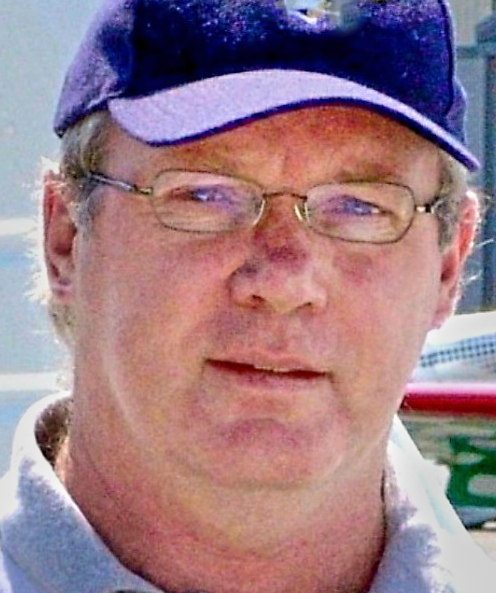
ARTIST STATEMENT
I keep returning to the places where nature still looks like we imagined it would. The gap between that image and what's actually there is where most of my work begins.
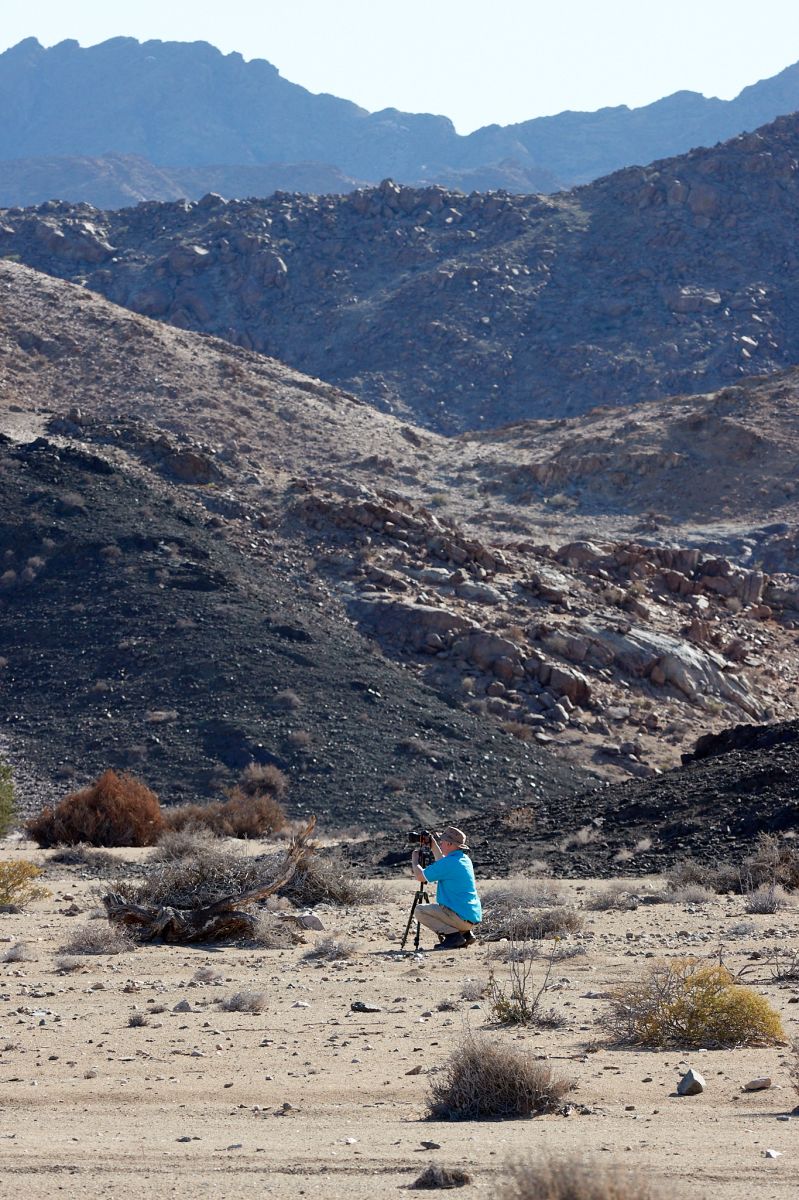
I photograph in natural light because shadows do something that colour doesn't — they slow things down, make the familiar strange, and reveal what a quick glance misses. Working in the field, I'm drawn to moments that sit between the conspicuous and the overlooked: the beautiful and the flawed, often in the same frame.
Monochrome is my natural language. Black and white strips away distraction and gets to the weight of a thing — the density of a shadow, the texture of light on water, the stillness that exists just outside our attention. The rich blacks in my work are where the emotion lives.
But some scenes resist that translation. Occasionally I encounter a moment where colour is not decoration — it is the fact. The particular green of lichen after rain, or the exact warmth of late light on dry grass, carries meaning that black and white would quietly erase. In those moments, I follow the work rather than the habit.
I shoot with restraint, and it took years to understand why. The answer came through years of looking closely at photographers and painters who understood that withholding can be an act of fidelity rather than absence. Rembrandt showed me that shadow is not what is left when the light runs out. It is where the truth of a thing lives. Michael Kenna showed me that the same conviction translates directly into the lens, that a frame stripped to its essentials, form, line, and the weight of negative space, can carry more than one crowded with information ever could. That discipline has never left my work.
Underneath all of it is a quiet argument: that the distance between how we picture nature and how we actually treat it is something worth sitting with. I'm not interested in accusation. I'm interested in the pause — the moment before you look away.
Peter Dooley